Players Set to Feature in Seattle During the World Cup 2026 Group Stage
 Carlenis Solvi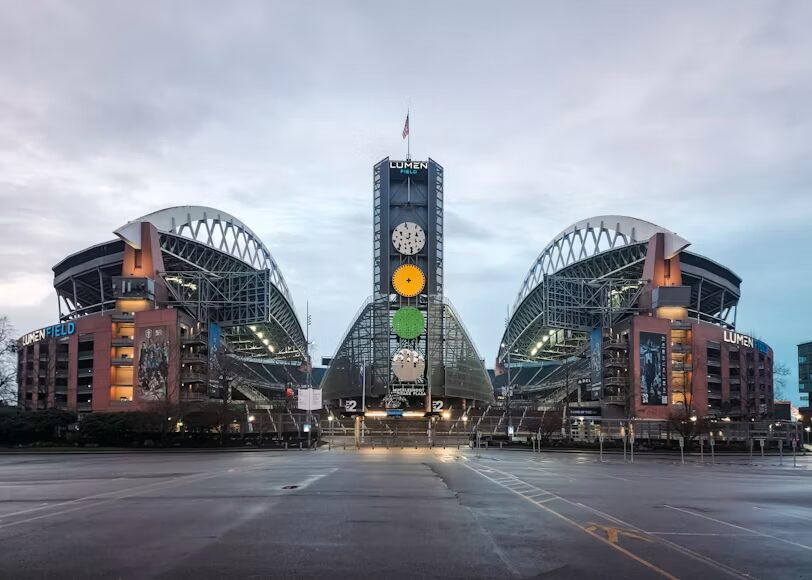
The World Cup arrives in North America this week, with soccer’s biggest tournament split between three host nations for the first time in history.
The expanded format brings 48 teams competing for glory, but this is more than a tournament of firsts. It’s America’s first genuine chance since 1994 to make a lasting impression on the global game. Seattle, a city obsessed with soccer, will be central to that story.
Lumen Field will host group stage matches for two weeks, giving locals and fans from all over the world a chance to mingle in the Emerald City. Everyone from casuals assessing the online sports betting to ultras dipped in the paint of their nation’s colors will be there for soccer’s biggest spectacle.
Why Seattle Matters
Lumen is more than a stadium. It’s a temple built for intensity. The Sounders have cultivated one of MLS’s more passionate fanbases, regularly drawing 30,000-plus supporters who fill the stands with coordinated tifos, marching bands, and a roar that has twice earned the Guinness World Record for loudest crowd roar at an outdoor stadium.
The city’s soccer culture runs deep, stretching back to the NASL days of the 1970s, and it lives in every corner of downtown.
The venue itself is a marvel of acoustics. A partial roof traps sound, creating an intensity that few stadiums will match. Step outside and you’re seconds from Pike Place Market, the waterfront, and the kind of walkability that made Seattle one of America’s most attractive World Cup hosts after MetLife drew so much criticism.
Four key matches will unfold here during the group stage. Belgium face Egypt on June 15. The USMNT take on Australia on June 19. Bosnia & Herzegovina meet Qatar on June 24. Egypt play Iran on June 26.
For two weeks, Lumen Field becomes the stage where careers are defined, where last chapters are written, and where some of the biggest names will play. Here are five players who’ll shape Seattle’s World Cup narrative.
Mohamed Salah – Egypt
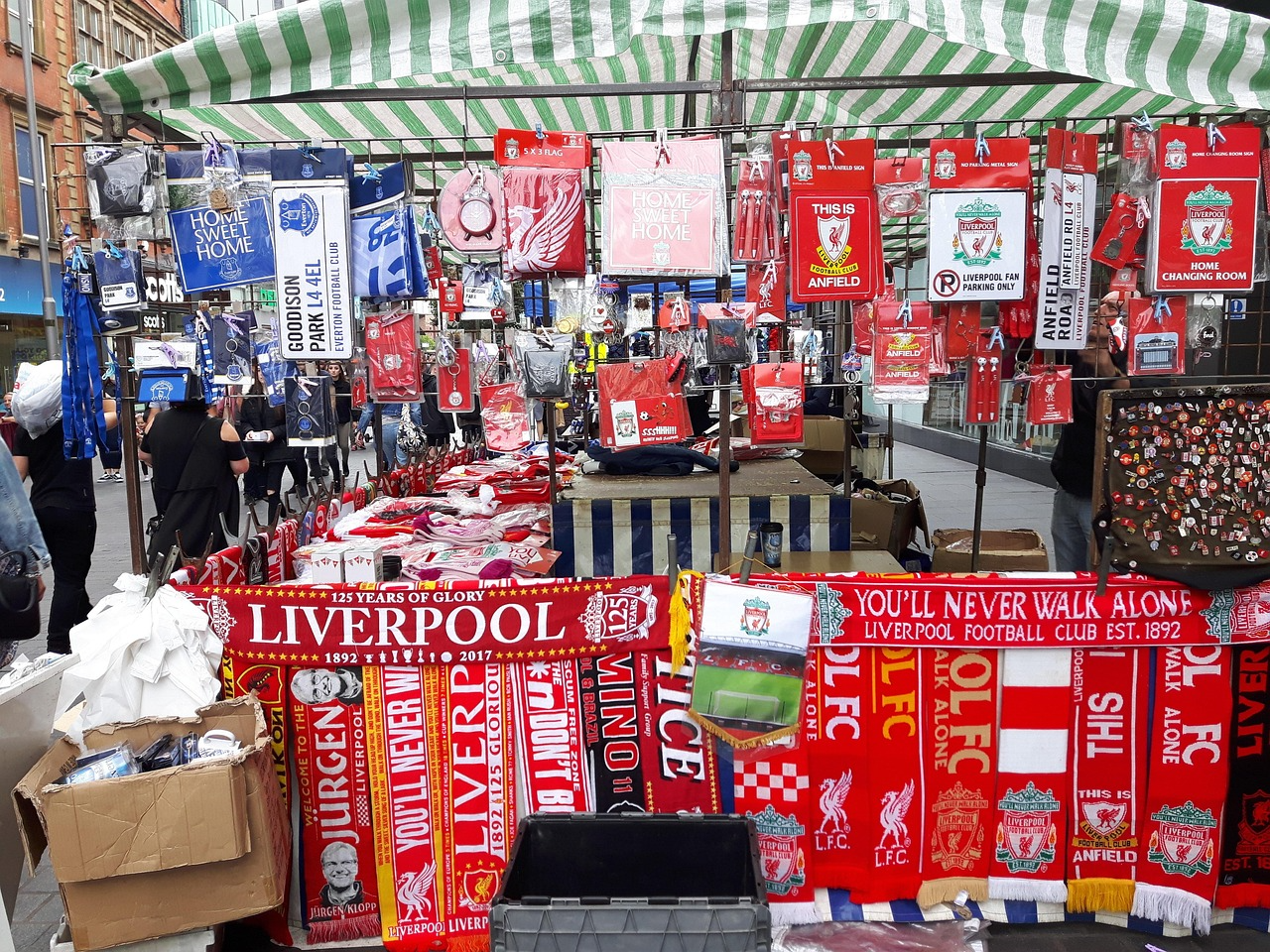
Salah remains Egypt’s most recognizable player and most reliable source of belief. His move away from Liverpool ended in tears after securing Champions League football, and this World Cup, likely his last, carries the weight of unfinished business.
Egypt haven’t won the Africa Cup of Nations since 2010, a gap that has haunted Salah throughout his career after losing two finals.
Against Belgium on June 15, he’ll arrive as the player everyone else on the pitch is built around on the day of his 34th birthday. Salah leaves Liverpool as one of the greatest players in the club’s history, and the World Cup is a chance to put himself in the shop window for his next move.
Kevin De Bruyne – Belgium
Kevin De Bruyne operates in a different register. Where his former Chelsea teammate Salah embodies emotion and drive, De Bruyne represents control, mastery, and the kind of passing intelligence that seems almost unfair.
Having moved to Naples last season, he’s already reasserted himself as one of Europe’s most elegant midfielders despite Napoli sacking Antonio Conte, and at 35, he’s still capable of dictating entire matches.

Belgium’s golden generation is aging. This feels like De Bruyne’s final moment at a World Cup, one last chance to add something to a résumé that already includes nearly everything else. Against Egypt on June 15, he’ll be the player making the difficult look routine.
Christian Pulisic – USA
At AC Milan, Christian Pulisic had been just a piece on Mas Allegri’s tactical chessboard. Talented but subordinate, one option among many.
With the USMNT on home soil in Seattle on June 19, he becomes the central figure, the player around whom everything revolves. That shift matters more than people realize.
Pulisic has built toward this moment for a decade. He thrives when emotion and intensity run high, when the crowd is alive, when expectation becomes fuel rather than burden. A domestic goal drought in Serie A fades into irrelevance under these conditions.
Seattle’s electricity, the home crowd’s weight, and his own hunger converge into something dangerous. This is where Pulisic transforms from a talented piece into something genuinely central.
Jackson Irvine – Australia
Jackson Irvine looks like he should be serving expensive coffee in Capitol Hill, not controlling midfield at a World Cup. The tattoos, the mustache, the understated cool. He’s the kind of player who feels more at home in a craft brewery than the pitch. That’s precisely why he works for Australia, and why Seattle will appreciate him.
The Socceroos don’t have De Bruyne’s passing range or Salah’s goal threat. What they have is Irvine’s footwork, and it’ll need to do the talking against the USMNT on June 19.
Having come undone by the brilliance of Lionel Messi and Argentina back in 2022, the Aussies will be hoping for better luck in the draw this time around, and beating the hosts in their backyard will be a big help in building that momentum.
Edin Dzecko – Bosnia
Edin Džeko still offers the kind of centre-forward craft that never goes out of style. At 39, he arrives as one of the oldest players at the World Cup.
His strength is positioning. His weapon is his first touch. Against Qatar on June 24, he’ll show why physical presence and intelligent play remain valuable even if he can’t complete 90 minutes anymore.
He won’t run past anyone. He won’t embarrass opponents with pace. But he’ll be exactly where the ball’s going before it gets there, and he’ll finish with either foot. That’s a different kind of appeal from the young strikers dominating headlines.
He’s been here before, for Wolfsburg, Manchester City, Roma, Inter, and many others. This is now his curtain call on the biggest stage internationally.
Final Thoughts
Seattle isn’t just hosting World Cup matches. It’s hosting stories. Salah chasing redemption. De Bruyne claiming one final moment of mastery. Pulisic’s date with destiny on home soil. Irvine controlling the chaos. Džeko writing his epilogue.

These aren’t interchangeable names on a team sheet. They’re players whose presence transforms a match into something worth remembering. That’s what makes Lumen Field in June 2026 matter. That’s what makes soccer, finally, feel like home.

 Melando Faldan
 Meredith Nasrall