Carlenis Solvi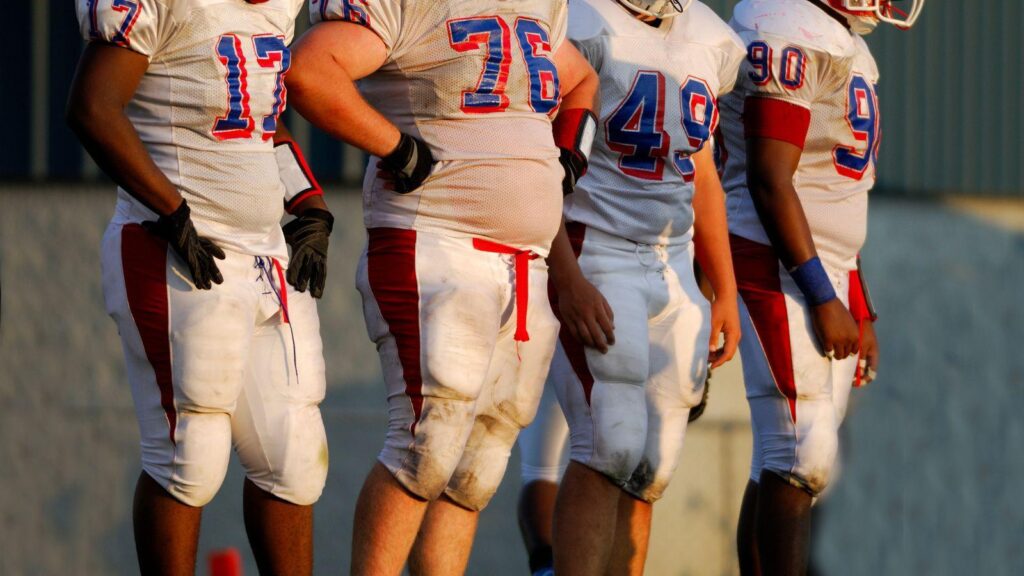
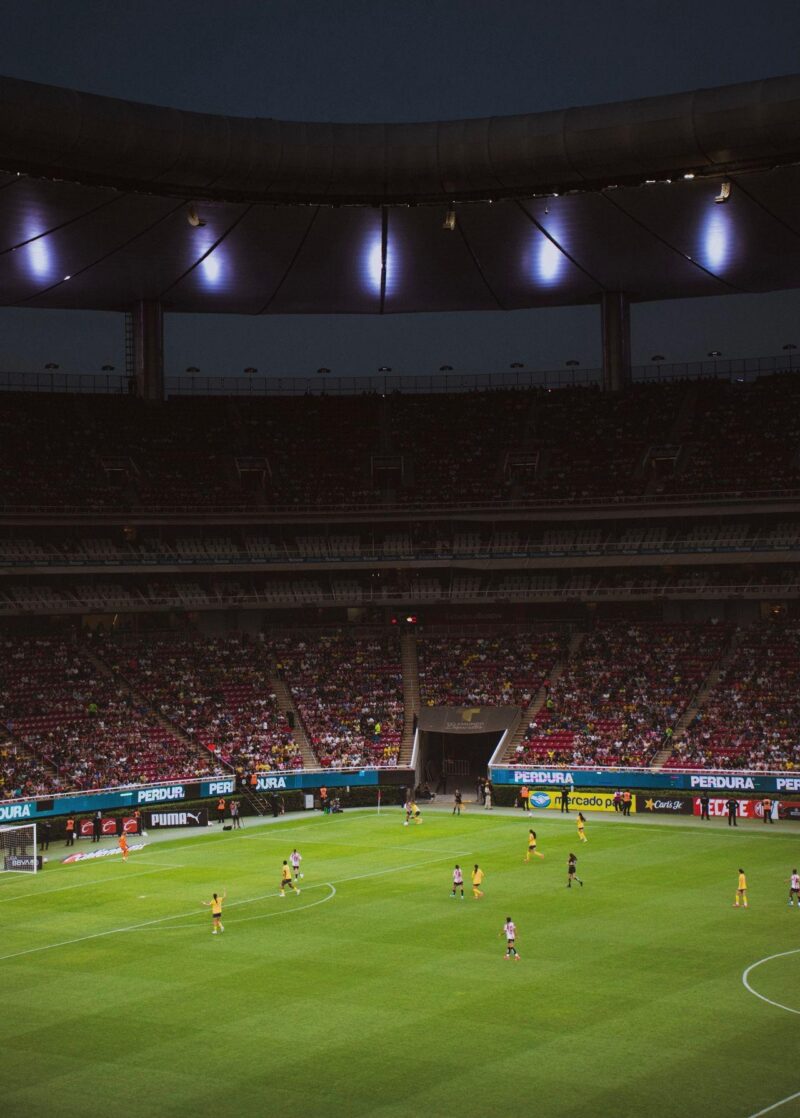
Seattle has never been short on sports pride. From the Seahawks’ 12th Man roar at Lumen Field to the Sounders’ packed matchdays, this city knows how to show up for its teams. That energy doesn’t stop at the professional level. Youth leagues, high school programs, and rec teams across the Seattle area are increasingly investing in something that used to be an afterthought: what their players actually wear on the field.
Why the Jersey Matters More Than Teams Think
A jersey is the first thing anyone sees before a single play happens. It’s on the field, in the stands, in the team photo that ends up on a mantel for the next twenty years. For a lot of programs, the temptation is to treat jerseys as a line item, order whatever’s cheapest, get the numbers on, move on to the next budget concern.
But teams that have put real thought into their look tend to see something else happen. Players stand a little taller. Parents post more photos. Local businesses notice the sponsor logo on the sleeve. A jersey that actually looks intentional, not just functional, becomes part of how a program presents itself to the rest of the city.
What Seattle Programs Are Looking For
Seattle’s football scene spans everything from Pop Warner leagues in the suburbs to competitive high school programs pushing for playoff runs. What’s consistent across almost all of them is a shift toward jerseys that reflect actual team identity rather than a generic template pulled from a catalog.
That means color schemes that echo the Seahawks’ navy and action green, or a program’s own school colors done with real attention to contrast and legibility on the field. It means fabric that can handle Seattle’s wet fall seasons without holding water weight or losing shape by week three. And increasingly, it means working with a supplier who can execute custom football jerseys built around a program’s specific design, not just a stock template with a swapped-out logo.
The Practical Side of Custom Jerseys
Beyond how a jersey looks, there’s a functional case for going custom that a lot of programs underestimate. Off-the-rack options often force compromises: a fit that works for one body type but not the roster’s full range, fabric that wasn’t built for the specific demands of the position group, numbering that fades or peels after a handful of washes.
A properly built custom jersey solves these problems at the design stage rather than patching them after the fact. Programs get to specify fit across different player sizes, choose fabric weight appropriate for the Pacific Northwest’s cooler, wetter playing conditions, and lock in graphics that are sublimated into the fabric rather than printed on top, meaning the design doesn’t crack or fade the way cheaper heat-transfer numbers often do after a season of use.
A few things programs typically prioritize when making the switch to custom:
- Consistent fit across a full roster, not just a handful of standard sizes
- Durable, weather-appropriate fabric suited to the Pacific Northwest’s playing conditions
- Sublimated graphics and numbering that hold up over a full season without peeling or fading
Building Team Identity Beyond the Scoreboard
There’s a reason programs across Seattle have started treating their look as seriously as their playbook. A jersey that actually represents the team, its colors, its community, its identity, does something a generic uniform can’t: it gives players and fans alike a visual reason to feel connected to the program, win or lose.
This matters especially at the youth and high school level, where building a program’s identity often takes years of consistent effort. A strong, well-designed jersey becomes part of that consistency. It shows up in every photo, every highlight reel, every proud parent’s social media post, reinforcing the same identity the coaching staff is trying to build on the field.
Getting It Right From the Start
For programs considering the switch, the biggest mistake is treating jersey design as an afterthought squeezed in right before the season starts. The programs that get the best results start the conversation early, giving enough lead time to actually design something intentional rather than settling for whatever’s fastest to produce.
Seattle’s sports culture runs deep, and that shows up at every level of the game, not just on Sundays at Lumen Field. Teams that invest in a jersey that actually looks like it belongs to them, rather than a generic template with a logo slapped on, tend to build the kind of program pride that outlasts any single season. For a city this proud of its teams, that’s a standard worth meeting.

 Meredith Nasrall
 Melando Faldan