Carlenis Solvi
College football games can turn on a handful of plays, yet those plays are usually backed by months of preparation. Coaches spend countless hours installing systems, evaluating personnel and preparing players for situations they may encounter only once or twice during a season. Players have an equally demanding job. They must learn assignments, maintain their bodies, understand opponents and execute under pressure when thousands of people are watching.
Talent will always matter, but talent without preparation leaves teams vulnerable. Programs looking for a competitive edge should pay attention to the details that support performance from the first practice of the week through the final possession on Saturday. Preparation does not guarantee a win, but it gives players a much better chance to perform at their best when the game gets difficult.
Start With Practice Preparation
A productive week begins before players ever line up for the first practice period. Coaches need a clear plan for what they want to accomplish, while players need to arrive ready to work physically and mentally. That includes having the correct equipment, understanding the week’s priorities and knowing what will be expected during individual and team periods.
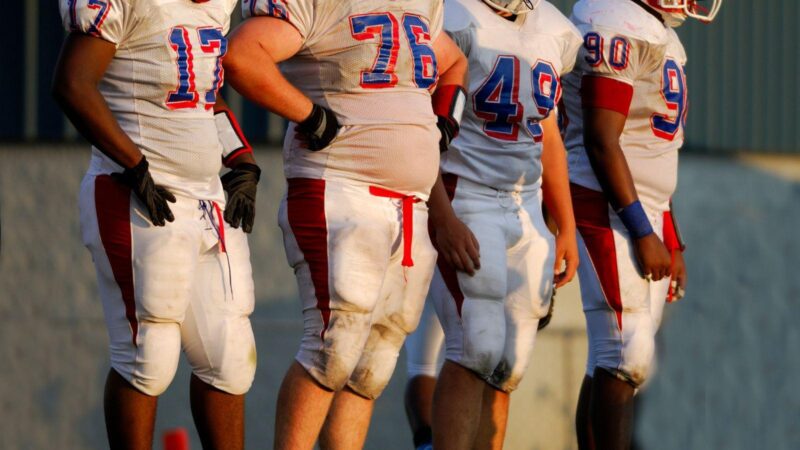
Equipment deserves more attention than it sometimes receives. Players should check helmets, shoulder pads, cleats, gloves and football pants before game day rather than discovering an issue during warmups. Coaches and equipment staff can make these checks part of the weekly routine. Properly fitted gear allows players to concentrate on assignments instead of adjusting equipment between snaps.
Practice itself should have a purpose beyond simply logging repetitions. Coaches can organize periods around specific situations, such as third down, red-zone offense, two-minute drills and backed-up possessions. When those situations appear during a game, players are responding to something familiar instead of solving the problem for the first time.
Turn Film Into Useful Information
Watching film only helps when players know what they are looking for. Coaches can make film sessions more productive by identifying tendencies that connect directly to each position group’s responsibilities. An offensive lineman may need to recognize pressure indicators, while a defensive back might study formations, splits and route combinations.
Players should also study themselves. Reviewing missed assignments, poor technique and successful plays from previous games can reveal habits that are difficult to notice while playing at full speed. Coaches can help by keeping corrections specific. Telling a linebacker that he had a bad game offers little direction. Showing him that his first step repeatedly placed him out of position gives him something he can actually fix.
Film preparation also becomes more valuable as the season progresses because teams accumulate more information about their opponents. Still, tendencies should guide preparation rather than become guarantees. Opposing coaches watch film too, and they may deliberately break established patterns to create an advantage.
Prepare for Late-Season Pressure
The physical and mental demands of college football change as the schedule moves deeper into the fall. Players have accumulated weeks of practices, games, travel and academic responsibilities. Coaches may need to adjust workloads while still maintaining the intensity required for meaningful competition.
That becomes especially important when conference races tighten and teams begin thinking about football playoffs and postseason opportunities. The temptation is to treat every late-season practice like a test of toughness, but additional contact does not automatically create a tougher team. Coaches should consider what players actually need to improve before deciding how much physical work belongs in the practice plan.
Players also need to avoid letting postseason possibilities distract them from immediate assignments. Rankings, scenarios and outside predictions can consume plenty of attention without helping anyone make the next tackle or complete the next pass. Teams generally give themselves the best opportunity by keeping preparation tied to the opponent directly in front of them.
Master Situational Football
Some of the biggest mistakes in college football happen when players understand the play but misunderstand the situation. A defender can make an excellent tackle that still helps the offense if he fails to recognize the clock, field position or down and distance. An offensive player can gain extra yards but hurt his team by staying in bounds when the clock needs to stop.
Coaches can address these problems by regularly building situations into practice. Instead of explaining what players should do with 42 seconds remaining and no timeouts, put the offense and defense on the field and make them execute it. Practice sudden changes after simulated turnovers. Rehearse field-goal situations with the clock running. Give quarterbacks experience managing possessions when they need a touchdown rather than a field goal.
Special teams deserve the same treatment. Games can swing on punt coverage, return decisions, field position and kicking execution. Treating special teams as an essential part of situational preparation rather than an interruption between offensive and defensive periods can prevent expensive mistakes.
Build Consistency Into Game Day
Game-day routines should reduce unnecessary decisions. Players should know when they are eating, when meetings begin, when they need treatment, when equipment gets checked and when warmups start. Coaches can establish a predictable structure while leaving enough flexibility for travel, weather and other circumstances.
Warmups should prepare players rather than exhaust them. Position groups need enough work to establish timing and confidence without turning pregame activities into another practice. Coaches should also communicate any final adjustments clearly. Game day is rarely the right time to overload players with an entirely new collection of concepts.
Once kickoff arrives, preparation gives way to execution and adjustment. Opponents will show unexpected looks, players will make mistakes and momentum will change. Teams that have practiced responding to those moments are better equipped to stay composed. Winning college football requires more than a strong Saturday performance. Consistent preparation gives coaches and players the foundation to execute when the pressure rises.


 Meredith Nasrall
 Melando Faldan