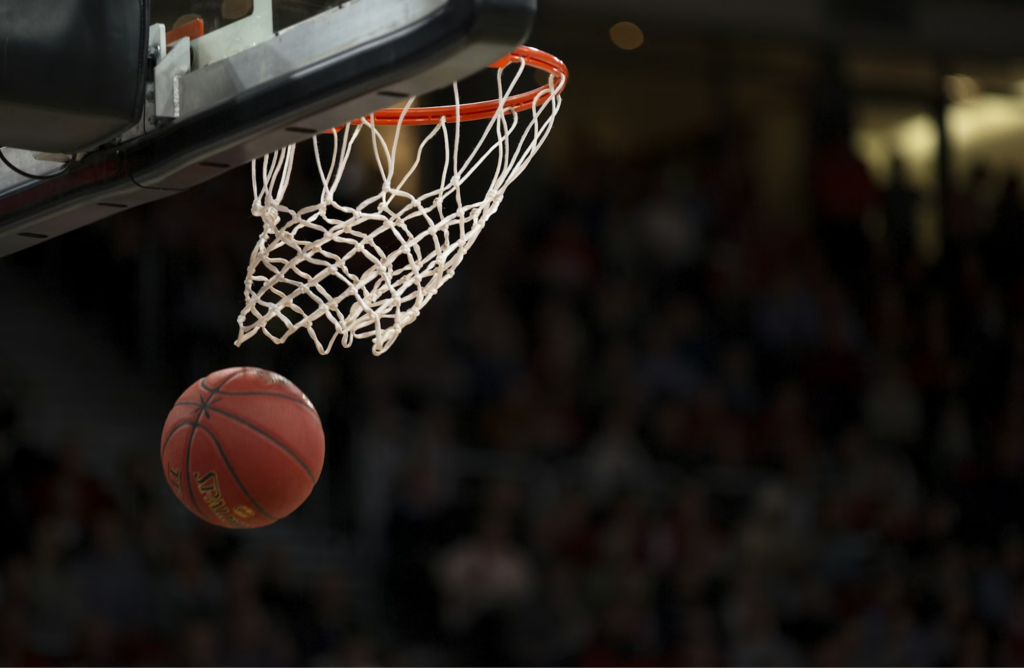
Seattle hasn’t had an NBA team since 2008, but the city never stopped being a basketball town. The SuperSonics’ departure left a visible gap, yet it also forced local fans to redefine what NBA fandom looks like without a logo, a home court, or a nightly schedule to follow. Over time, something interesting happened. Instead of fading, interest splintered, adapted, and in some ways expanded.
Today, NBA fandom in Seattle is less about standings and more about identity, connections, and habit. Fans engage with the league in ways that reflect memory, local pride, modern media, and a persistent belief that the NBA will eventually return. The result is a fan base that looks different from most markets, but remains deeply invested all the same.
Holding Onto the Sonics’ Identity
Walk through Seattle on any given weekend and Sonics green still shows up. Vintage hats, throwback jerseys, and familiar logos appear at bars, concerts, and pickup courts. For many fans, engagement with the NBA begins with holding onto what was lost rather than replacing it.
The 1979 championship, the electric KeyArena era of the 1990s, and icons like Gary Payton and Shawn Kemp still define Seattle’s basketball identity. Those moments live on through museums, social media, and active fan communities. Instead of fading into nostalgia, that history continues to shape how Seattle fans connect with today’s NBA.
That shared memory creates a common language among fans, one that transcends age and era. Even younger supporters who never attended a Sonics game often inherit the stories, colors, and emotional weight passed down by family and longtime fans.
Following Players With Local or Sonics Ties
When team loyalty disappeared, many fans shifted their focus to individual players. Former Sonics like Kevin Durant and Jeff Green became transitional figures, offering continuity during the league’s sudden absence from Seattle.
That mindset expanded as Seattle and the broader Pacific Northwest continued producing NBA talent. Players such as Paolo Banchero, Zach LaVine, Jamal Crawford, Dejounte Murray, and Klay Thompson carry local significance, even when their jerseys change. Fans track their performances, tune in for key matchups, and follow playoff runs tied to familiar names rather than franchises.
This player-first approach works because it preserves a personal connection. It also allows flexibility, keeping fans engaged across multiple teams and seasons without feeling disloyal to a city that never stopped loving basketball.
Choosing New Allegiances and Old Rivalries
Some fans adopted new teams based on proximity or personal ties. The Portland Trail Blazers became a common choice, though regional rivalries complicate that loyalty, while others followed teams with Washington connections or familiar ownership stories, such as the LA Clippers under Steve Ballmer.
For many fans, these adopted allegiances feel temporary rather than permanent. Support often comes with an unspoken understanding that loyalties could shift the moment Seattle gets a team again.
Then there’s the Oklahoma City Thunder. For many in Seattle, rooting against the relocated franchise remains a strong emotional outlet. This form of “hate-watching” may be unconventional, but it keeps fans invested and tuned in deep into the postseason.
Engaging With the NBA in a Multi-Screen Era
Without a hometown tip-off to anchor viewing habits, Seattle fans tend to follow the NBA as a league-wide event. Games become something to track rather than plan around, and technology makes that easier than ever.
Many fans watch with a phone or laptop nearby, tracking stats, lineups, and live conversations while games unfold. Second-screen habits are now central to the experience:
- Checking real-time box scores across multiple games,
- Following player performance trends throughout the night,
- Engaging in social media debates as moments happen,
- Comparing outcomes and matchups across the league.
Tools that help fans follow several games at once, such as FanDuel NBA parlays, naturally fit into this broader viewing behavior. In Seattle, these platforms aren’t about a single team’s result. They’re part of staying connected to a league that unfolds everywhere at once.
Staying Connected Through Media Voices and Fan Communities
Familiar voices still matter. Former Sonics announcer Kevin Calabro’s continued NBA presence provides a sense of continuity, while podcasts and digital media have replaced local postgame radio as gathering points for discussion.
Seattle-based podcasts, Reddit threads, and Facebook groups act as virtual sports bars, keeping NBA conversations alive without a local beat to follow. To stay engaged in these spaces, many fans rely on resources like NBA team news and analysis to keep up with trades, injuries, and league-wide storylines.
This shared information loop turns fandom into a communal activity rather than a solitary one, reinforcing connection even in the absence of a team. It gives fans a sense of belonging that mirrors what a local franchise once provided.
Tracking the League While Waiting for a Team to Return
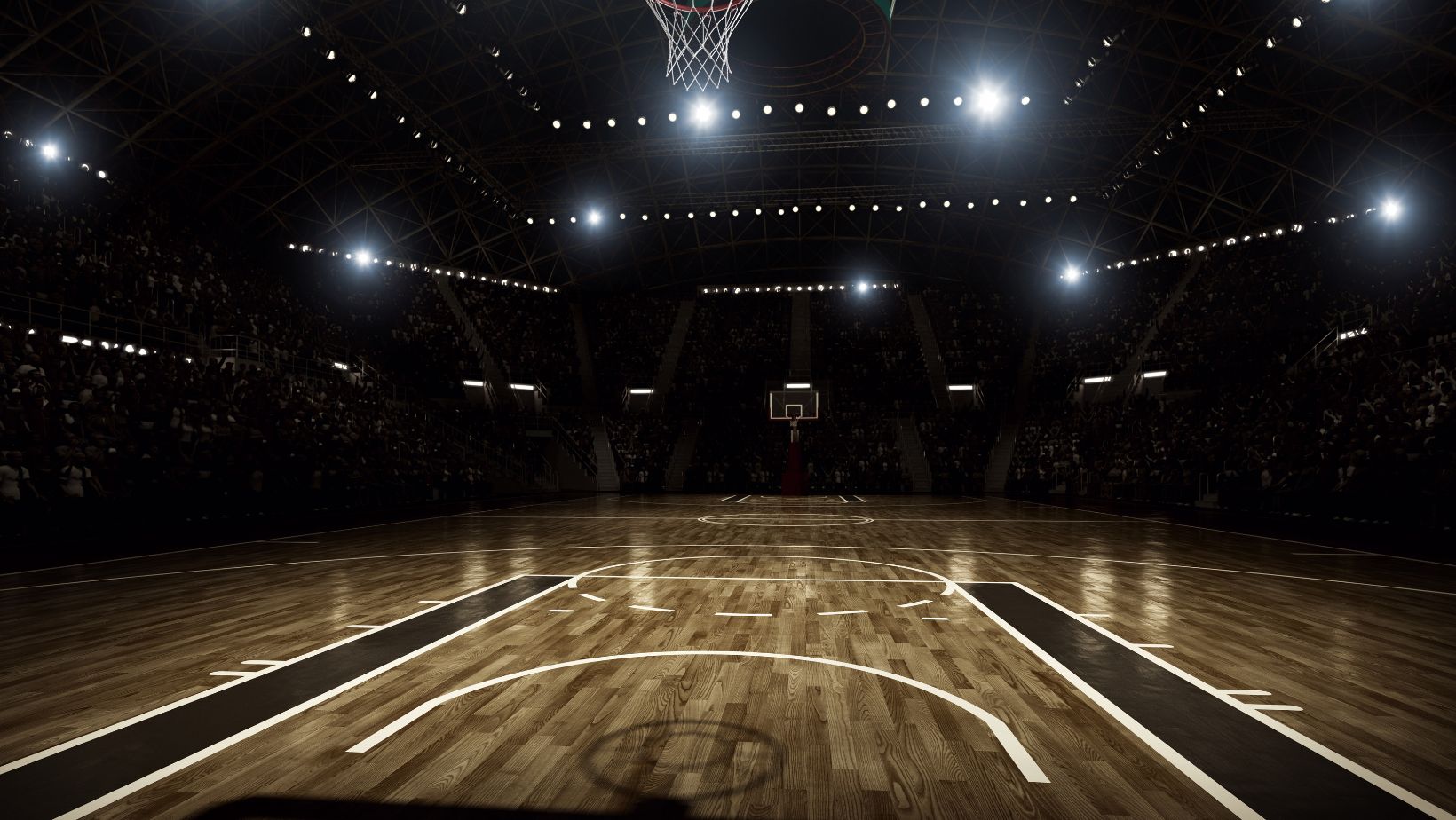
Hope plays a quiet but constant role in how Seattle engages with the NBA. Expansion rumors, preseason games at Climate Pledge Arena, and consistent sellout crowds serve as reminders that the city remains NBA-ready.
That optimism shapes how fans follow the league as a whole, with added attention on ownership moves, market discussions, and long-term planning. Every signal feels relevant because Seattle views itself as part of the NBA’s future, not its past.
Fans closely watch league signals, from ownership shifts to official statements, looking for clues about what comes next. Coverage exploring will Seattle have a new NBA franchise soon reflects how that anticipation has become an active part of Seattle’s NBA fandom.
An NBA Fan Base in Transition, Not Decline
Seattle’s NBA fandom never disappeared. It evolved. Today’s engagement is broader, more flexible, and shaped by memory as much as modern habit. Fans follow players instead of jerseys, leagues instead of schedules, and conversations instead of box scores.
Most importantly, interest remains forward-looking. The city isn’t defined by what it lost, but by how it adapted. When the NBA eventually returns, it won’t be coming back to a dormant market. It will be returning to a fan base that never stopped watching, just from a different angle.