
Hydration isn’t just about drinking more water — it’s about giving your body what it needs to feel energized, clear, and supported throughout the day. When you’re hydrated, you’re more focused, digestion feels smoother, your mood stays balanced, and your skin often shows it too.
We’ve spoken with a few experts in the field, and here’s the good news — staying hydrated doesn’t have to feel like a chore. With the right natural habits and a little body awareness, hydration can become an effortless part of your daily self-care routine.
Why Hydration Matters: What Your Body Really Needs
Hydration affects almost every system in the body. According to Harvard Health, even mild dehydration as low as 1–2% fluid loss can impact energy, focus, and mood. That’s why you might feel foggy or tired before you even feel “thirsty.” It is crucial to replenish fluid and electrolytes lost to maintain fluid balance, optimize muscle function, speed up muscle strain recovery, and support energy metabolism.
Rachel Gargano, MS, RD, CSSD, CBS at Live It Up adds: Dehydration isn’t just about thirst — it’s about energy loss, mood changes, and slower recovery. When you feel an afternoon crash coming on, dehydration is often the hidden cause.

Hydration helps support:
- Digestion and nutrient absorption
- A steady, clear mental state
- Natural energy production
- Comfortable temperature balance in the body
- Electrolyte balance, which helps muscles and nerves function smoothly
How Much Water Should You Drink Daily?
You’ve probably heard “drink eight glasses a day,” but hydration isn’t one-size-fits-all. Your body’s needs shift depending on:
- Movement and sweat levels (even light walking or yoga counts!)
- Climate and humidity
- Foods you’re eating — salty, caffeinated, and high-protein foods require more water for balance
- Body size and metabolic rate
A common benchmark is around 128 ounces (one gallon) of fluid per day — but that includes water-rich foods too. Instead of obsessing over a number. Rachel Gargano, MS, RD, CSSD, CBS recommends: Generally, people should be aiming to get about 128 ounces, which is a gallon, of fluid per day.
Hydrating Foods and Drinks That Support You All Day
Kat Benson, CSSD, CPT at VNutrition adds: Water is essential, but nature gives us hydrating foods and drinks that add electrolytes and minerals your body loves.
Hydrating foods to sprinkle into your day:
- Cucumber slices with a sprinkle of sea salt
- Fresh watermelon or citrus segments as a snack
- Leafy greens like romaine, spinach, and zucchini tossed into meals
- Oranges and berries for a sweet hydration boost
enson, recommends drink options that hydrate naturally:
Coconut water for a gentle hit of electrolytes
Herbal teas like mint, hibiscus, or chamomile
Water infused with lemon, cucumber, or berries—or even fresh-pressed combinations made with a Hurom H70 easy clean slow juicer —to make healthy sipping feel like a daily ritual
The Hydration–Skin Connection: What to Know
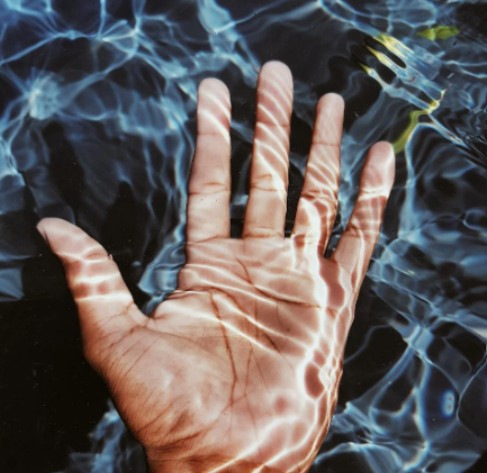
Think of internal hydration as your skin’s most foundational moisturizer. Topical products — like hyaluronic acid — can support surface hydration, but skin looks and feels its best when it’s nourished from the inside.
Hydration Myths: What’s True and What’s Not
For this part Rachel Gargano, MS, RD, CSSD, CBS helped us demystify some common hydration myths you’ve probably heard:
- “Coffee dehydrates you.”
Moderate coffee still contributes to hydration — it’s not automatically dehydrating. - “You can’t overhydrate.”
You can. Drinking excessive plain water without electrolytes can dilute your system. Balance is key. - “Clear urine means perfect hydration.”
Completely clear urine can actually signal overhydration. Pale, straw-toned is your sweet spot. - “Nutritional downsides to drinking sparkling water”
The acid used to make sparkling water could potentially degrade tooth enamel if consumed excessively. For example, using sparkling water as your sole source of hydration throughout the day, it could negatively harm your tooth integrity. It can also cause gas and bloating for some people.
A Daily Hydration Routine You Can Stick To
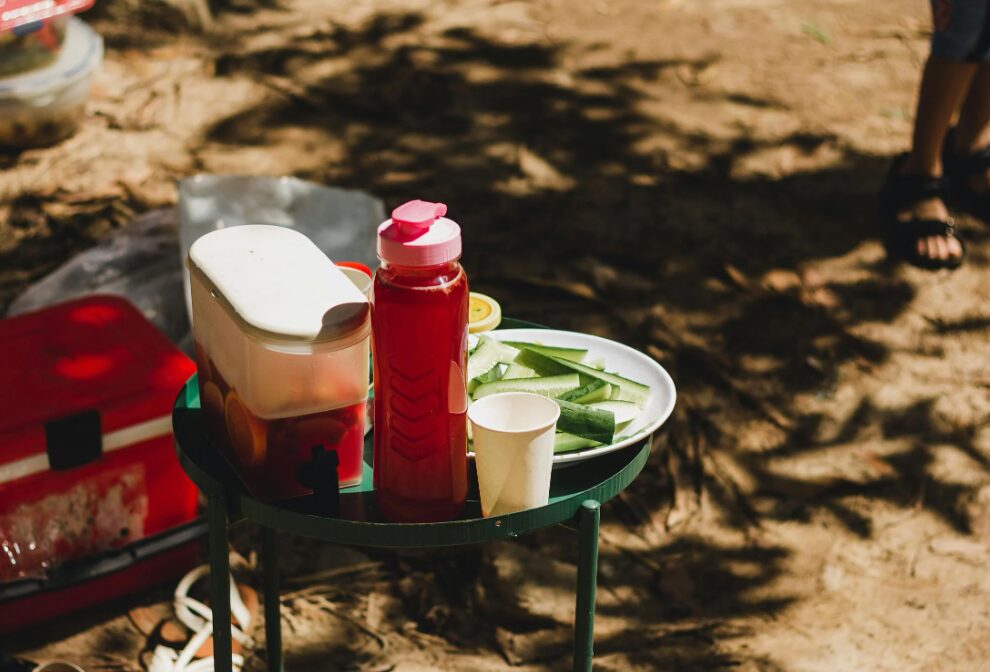
No strict apps. No timers. A simple rhythm is enough:
- Morning: Drink a glass of water before any caffeine. It gently wakes digestion.
- With Meals: Sip water or infused water alongside food to help your body process it more comfortably. Rachel Gargano, MS, RD, CSSD, CBS also recommends green powders as an excellent source of both nutrition and hydration.
- Afternoon: Feel a slump coming on? Reach for coconut water, citrus slices, or cucumber instead of another coffee.
- Evening: Herbal tea signals to your body that the day is winding down — and adds one more layer of calm hydration.
The Bottom Line: Hydration Is Self-Care
Brandon Elliot, golf player and writer at PrimePutt, adds: “Hydration isn’t about perfection or rigid rules—it’s about listening to your body, recognizing when you need a refreshing reset, and choosing simple, effective ways to replenish. Hydration needs vary depending on your training routine and the sport you’re practicing. For example, a 30-minute indoor putting session with a putting mat can place demands similar to a low-intensity workout, while outdoor golf requires even greater attention to hydration, as factors such as season, temperature, and heat exposure significantly influence fluid needs.
A hydrated body moves better, thinks clearer, and feels more balanced. That’s the real wellness glow.