Breaking into the horse racing industry can be a challenge, but with the right steps, you can secure your first position and begin a fulfilling career. From working with elite jockeys to managing racehorses, the industry provides various opportunities for those passionate about the sport.
In 2025, the competitive landscape requires more than just a love for horses; staying informed about industry shifts and gaining real-world experience are key to standing out. Whether you’re eyeing a career on the track or behind the scenes, developing your skills and building relationships is essential.
Read on to learn the best strategies for landing your first horse racing job this year and setting yourself up for long-term success in the industry.
Sharpen Your Knowledge of the Industry
To succeed in horse racing, you need a strong understanding of how the industry works.
The following are some areas to focus on as you build your knowledge:
- Learn how races are structured and categorized: Races vary by surface, distance, and competition level. Flat racing, harness racing, and steeplechase each have distinct rules and strategies. Knowing the differences will help you speak the language of the sport and identify where your interests align.
- Study the roles and responsibilities in racing operations: From stable staff to racing officials, every job plays a part in the race day process. Understand what each role entails so you can choose a career path that fits your strengths. You can also explore websites that list current horse racing jobs to get a clearer picture of what employers are hiring for.
- Understand the basics of breeding and training: Breeding decisions affect long-term performance, while training prepares horses for specific events. Gaining insight into both processes can improve your understanding of how horses are developed and managed over time.
- Follow how betting influences the industry: Betting drives much of the sport’s revenue and impacts decisions at many levels. Learn how odds are calculated, how race results affect payouts, and how betting trends reflect public perception and horse performance.
Gaining a clear grasp of these areas will give you a stronger foundation and help you stand out as you pursue work in horse racing.
Gain Hands-on Experience
Getting real-world experience is key if you’re serious about working in horse racing. Watching races or reading about the sport will only take you so far—being around horses and racing professionals gives you insight you won’t find elsewhere.
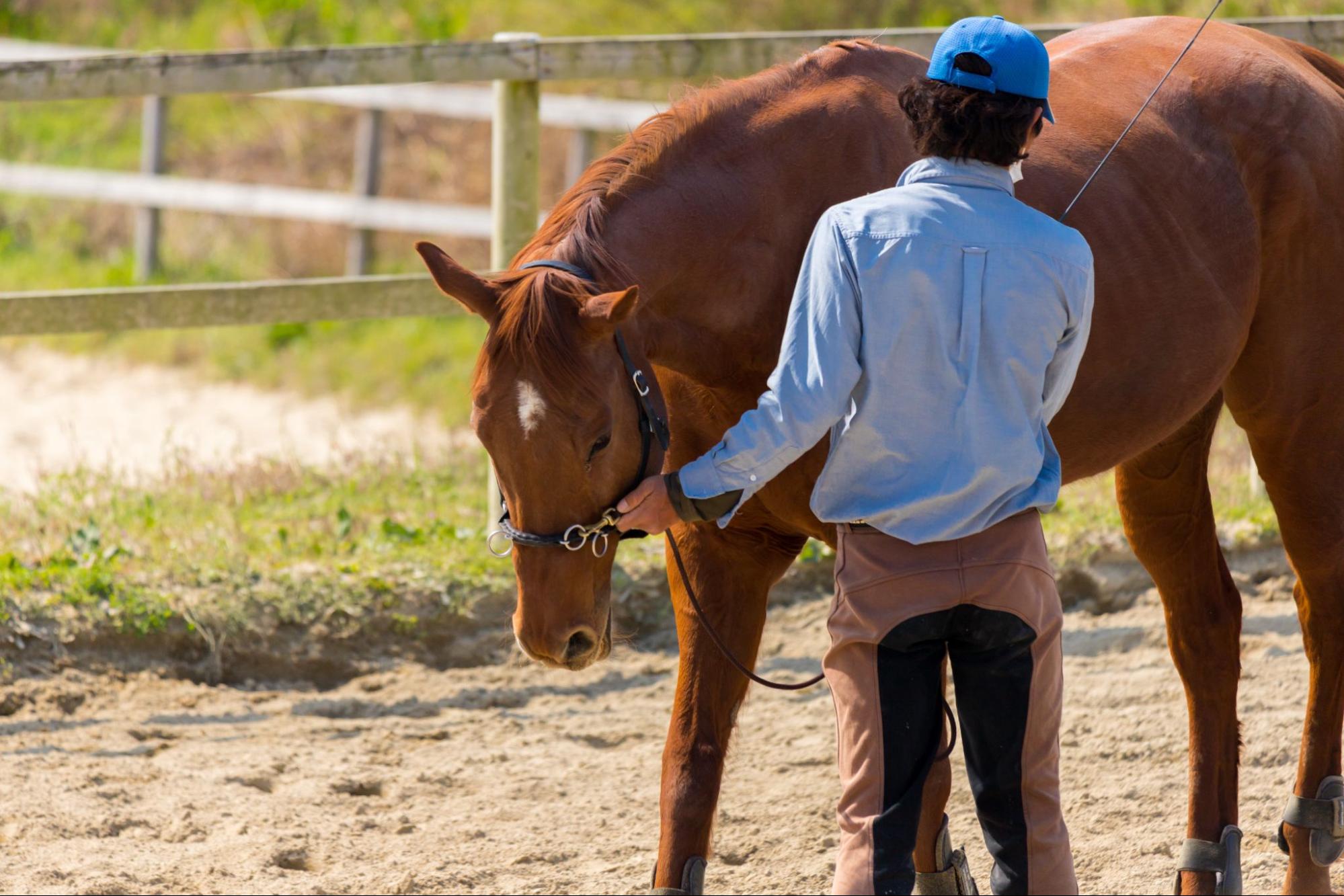
The following are three of the most effective ways to get practical experience in the industry:
- Volunteer at racetracks or stables: Volunteering gives you direct exposure to horses, trainers, and stable operations. Tasks might include grooming, cleaning stalls, or assisting with equipment. Many people get their start by volunteering at well-known horse racing locations like Emerald Downs, where there’s constant activity and opportunities to learn from seasoned professionals.
- Work as a stablehand or groom: These entry-level positions involve daily care of racehorses, including feeding, bathing, and walking them. The work is physically demanding, but it’s one of the fastest ways to build trust with professionals and understand what goes into maintaining a race-ready horse.
- Shadow a trainer or jockey assistant: Observing a trainer or jockey’s assistant can teach you how training schedules, race preparations, and health routines are handled. These shadowing opportunities often lead to informal mentorships or job referrals if you show commitment and a strong work ethic.
Real experience builds the kind of understanding that reading and research can’t offer. Getting your hands dirty is often the best way to get your foot in the door.
Build a Strong Network
Building strong industry relationships can significantly improve your chances of finding meaningful work in horse racing. A well-timed recommendation or personal referral often carries more weight than a cold application. With the right connections, you may hear about job openings before they’re publicly posted.
Start with online groups and industry-specific forums that focus on horse racing careers. These spaces allow you to engage in conversations, ask questions, and exchange insights with others who share your interests. Consistent, thoughtful participation can help you build name recognition among professionals in the field.
In addition to virtual networking, consider attending seminars or guest lectures hosted by equine studies programs or racing commissions. These settings often attract experienced professionals who are open to sharing advice or offering support. Following up with them after the event can lead to valuable conversations.
Craft a Compelling Resume and Cover Letter
Once you’ve gathered relevant experience and developed industry connections, it’s time to focus on presenting yourself effectively on paper. Your resume and cover letter should reflect your capabilities and professionalism while aligning with the expectations of the horse racing field. A thoughtful application can significantly improve your chances of standing out in a competitive environment.

Start with a resume that clearly communicates your most relevant skills and experiences. Rather than listing every role you’ve held, highlight responsibilities and achievements that relate to the position you’re applying for. Even if the role wasn’t directly tied to horse racing, skills like time management, communication, or physical stamina can still be relevant.
In addition to your resume, your cover letter gives you a chance to express your interest in the specific role and organization. Focus on explaining why you’re drawn to that particular position and how your background connects with their needs. Keep your tone professional and direct, while showing genuine enthusiasm.
Final Thoughts
Breaking into the horse racing industry in 2025 requires a combination of knowledge, experience, networking, and a compelling application. By following these steps—sharpening your understanding of the industry, gaining hands-on experience, building a network, and crafting a standout resume—you’ll be well on your way to landing your first horse racing job. Remember, persistence and dedication will be key, and with time, you’ll find your place in this exciting and dynamic field.