Meredith Nasrall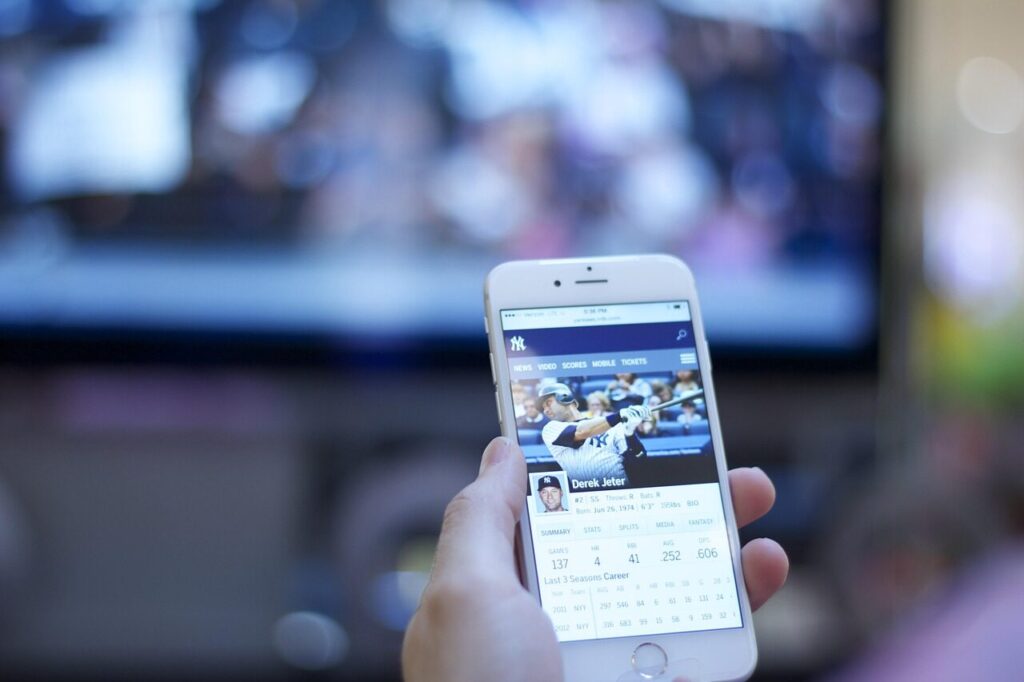
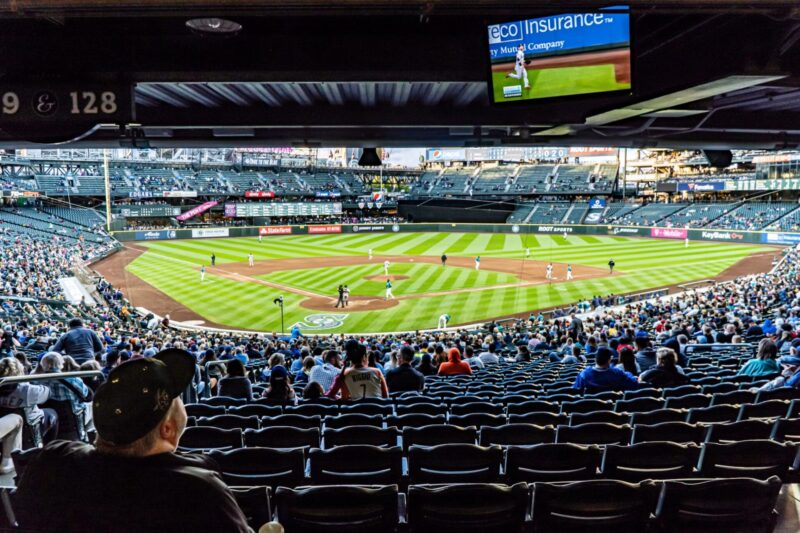
Baseball has always had a way of letting your attention drift for a beat before pulling it back with one pitch. That rhythm once looked old-fashioned next to faster sports. Now it feels oddly well suited to the way people actually watch.
Very few fans sit through a game with one screen and one focus. They check live stats, scroll reactions, answer messages, and dip into other forms of entertainment while the game keeps breathing in the background. Baseball does not suffer from that habit as much as other sports do. In many ways, it suits it.
The game leaves space without losing tension
Football often demands full-event attention. Basketball can punish a five-second glance away. Baseball is different.
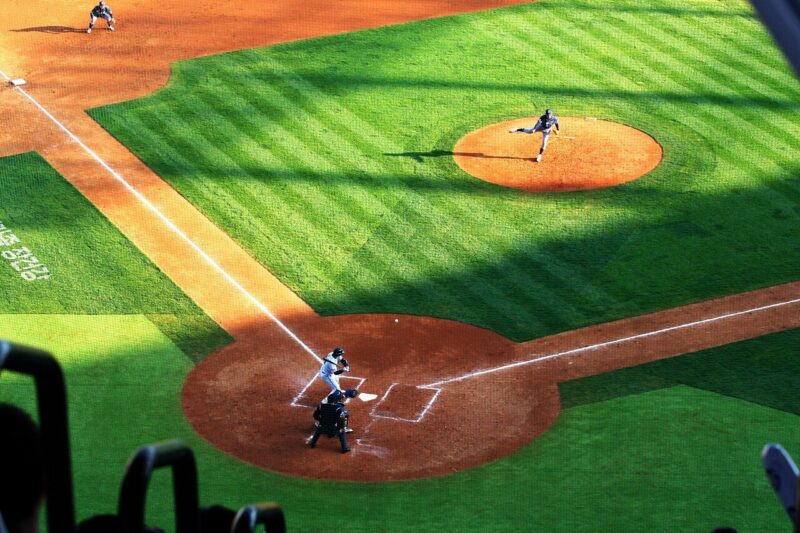
The action eases up often in baseball, but the energy rarely disappears with it. The game has a way of holding tension in place even while nothing immediate is happening.
That is why opening a Baseball America article in the middle innings does not feel like stepping into a completely separate online world. It feels close to the same habit as checking a box score, reading a bullpen update, or moving through other quick forms of digital entertainment that fit into the quiet spaces of the game.
The slower pockets of a baseball game make room for other small habits. For some fans, that might mean checking odds or stats. For others, it can be a few minutes of slot play before the next moment of real tension arrives.
Baseball already lives beyond the broadcast
Watching baseball now means following more than the action on the field. The game moves through replay angles, live stats, pitch data, and the constant stream of small updates that shape how each inning is read.
Baseball already lives through more than the broadcast, which is why the second screen fits so easily beside it. Exit velocity, launch angle, and spin rate have become part of ordinary fan language, and MLB’s Statcast system reflects that shift.
Why casino play fits the same rhythm

Short sessions feel natural
A slot game does not demand a long block of attention. It opens fast, resolves fast, and can be dropped just as fast. That matters during a baseball game, where attention rises and falls in short waves rather than one uninterrupted stream.
Easy switching matters
It is pretty normal for baseball fans to split their attention a bit. The game stays on, but the phone comes out for stats, fantasy updates, and quick reactions before the next pitch brings the focus back. In those same gaps, a few spins or another quick game on the phone can feel perfectly natural.
The emotional rhythm is familiar
Baseball lives in the space before something happens. The count builds, the pitcher resets, the batter waits, and then one swing shifts everything. Slots are driven by a different system, but they still echo that same feeling of buildup, result, and repeat.
Baseball does not fight the second screen
Some sports demand full attention from start to finish. Baseball rarely does. Its pace leaves room for a quick stat check, a glance at a reaction, or a few quiet minutes spent on the finer details of baseball before the next pitch pulls everything back into focus. That is part of what makes baseball feel so natural in a second-screen world. The game can slow down without losing its grip, and a fan can drift for a moment without losing the shape of the inning. Baseball still rewards attention. It just does not demand it in one unbroken line.

 Melando Faldan